Chelmsford & Essex

Areas We Cover

Chelmsford localities

Great Baddow

Suburban village core, interwar and modern estates

Read more

Writtle

Historic green, listed cottages, college

Read more

Springfield

Victorian terraces and large modern estates

Read more

Galleywood

Common-edge village, postwar housing

Read more

Broomfield

Village core beside hospital-driven growth

Read more

Moulsham

Inner suburb, Edwardian and interwar terraces

Read more

Chelmer Village

Late twentieth-century estate, trussed roofs

Read more

Beaulieu Park

New-build estate, warranties and covenants

Read more

Mid Essex

Danbury

Hilltop village, mature trees, conservation area

Read more

Little Baddow

Scattered village, timber frame and thatch

Read more

Stock

Weatherboard village, windmill, conservation area

Read more

Ingatestone

Historic high street, listed frontages

Read more

Margaretting

Small village, agricultural conversions

Read more

Boreham

Village beside the A12, mixed stock

Read more

Hatfield Peverel

Linear village, railway commuter stock

Read more

Sandon

Small parish, modern estate edge

Read more

Rettendon

Ridge village, exposure and wind

Read more

South Woodham Ferrers

Planned town, neo-vernacular, uniform roofs

Read more

Blackwater

Maldon

Hill town, listed core, estuary light

Read more

Heybridge

Canal-side, industrial conversions

Read more

Tollesbury

Saltmarsh village, exposure

Read more

Tiptree

Large village, postwar expansion

Read more

Burnham-on-Crouch

Riverside town, weatherboard

Read more

Braintree district

Witham

Market town, Georgian core, big estates

Read more

Braintree

Former textile town, Victorian terraces

Read more

Bocking

Village absorbed into Braintree, listed stock

Read more

Great Notley

Planned modern village, trussed roofs

Read more

Kelvedon

Long high street, listed frontages

Read more

Coggeshall

Wool town, exceptional listed density

Read more

Halstead

Valley town, weatherboard mill

Read more

Sible Hedingham

Strung-out village, mixed eras

Read more

Uttlesford

Great Dunmow

Market town, Georgian and modern edge

Read more

Thaxted

Guildhall town, very high listed density

Read more

Saffron Walden

Timber-framed core, pargeting, conservation

Read more

Stansted Mountfitchet

Airport-adjacent, noise and mixed stock

Read more

Felsted

School village, listed cottages

Read more

South Essex

Billericay

Commuter town, interwar and modern

Read more

Wickford

Postwar plotland origins, bungalows

Read more

Basildon

New town, uniform estate roofs

Read more

Brentwood

Affluent commuter town, large detached

Read more

Shenfield

Edwardian and interwar villas

Read more

Hockley

Wooded suburb, plotland bungalows

Read more

Rochford

Market town, airport proximity

Read more

Canvey Island

Reclaimed land, bungalows, flood context

Read more

Benfleet

Hillside suburb, access constraints

Read more

West Essex

Epping

Forest-edge town, conservation area

Read more

Ongar

Small market town, listed high street

Read more

Harlow

New town, flat roofs and uniform estates

Read more

Loughton

Forest suburb, large Edwardian stock

Read more

Buckhurst Hill

Victorian villas, steep plots

Read more

Chigwell

Large detached, modern rebuilds

Read more

Waltham Abbey

Abbey town, mixed listed and modern

Read more

Hertfordshire

Bishops Stortford

Market town over the county line

Read more

Sawbridgeworth

Maltings conversions, listed core

Read more

Suffolk

Sudbury

Silk town, listed core, over the border

Read more

London fringe

Romford

Victorian terraces and postwar estates

Read more

Upminster

Interwar semis, conservation pockets

Read more

Hornchurch

Interwar suburb, uniform hipped roofs

Read more

Grays

Thames-side, mixed industrial and housing

Read more

North Essex

Colchester

Roman town, very mixed stock, at the radius edge

Read more

Sunspire works from Chelmsford and travels thirty miles by road in every direction, which takes the coverage across most of Essex and over the boundary into Hertfordshire, Suffolk and the London fringe. The places above are grouped by district and by river geography rather than by distance, because that is how the housing actually falls.

Thirty miles by road, not as the crow flies

The radius is measured on the road because a van carrying glass and a tower travels roads, not straight lines. Thirty miles of Essex tarmac from Chelmsford reaches the Suffolk border above Sible Hedingham, the estuary villages of the Blackwater and the Dengie to the east, the Thames corridor towns to the south, and across into Hertfordshire in the west. A place fifteen miles away down the A12 is a shorter working day than somewhere ten miles off across the lanes, and the grouping above reflects that.

Why the town changes the job more than the county does

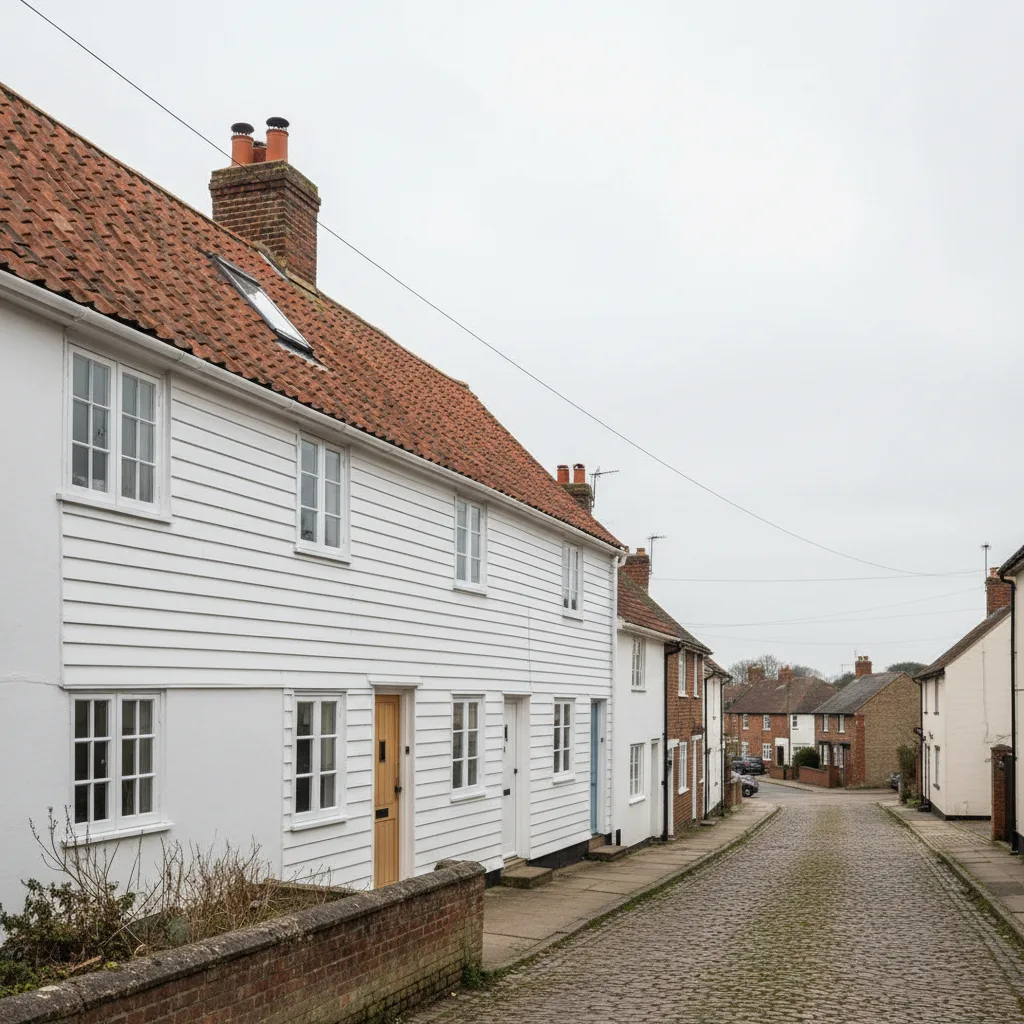
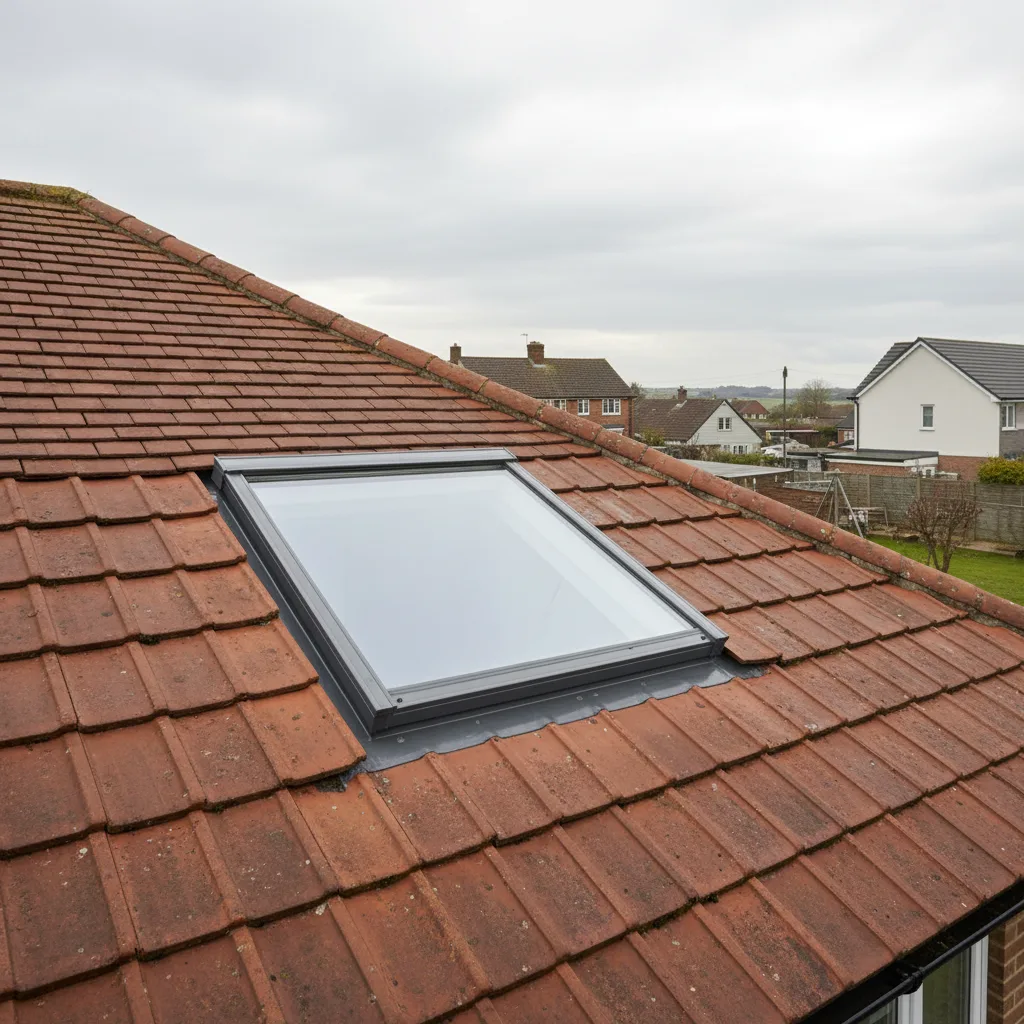
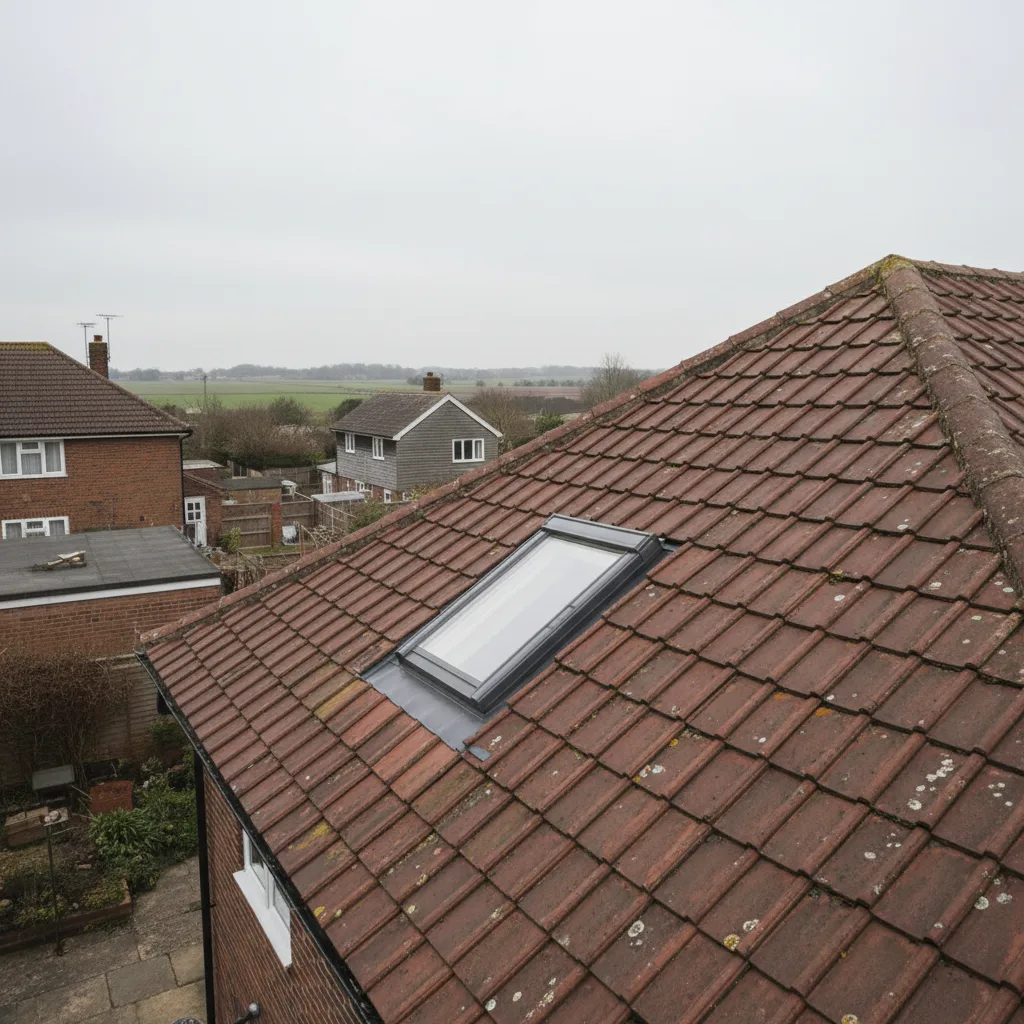
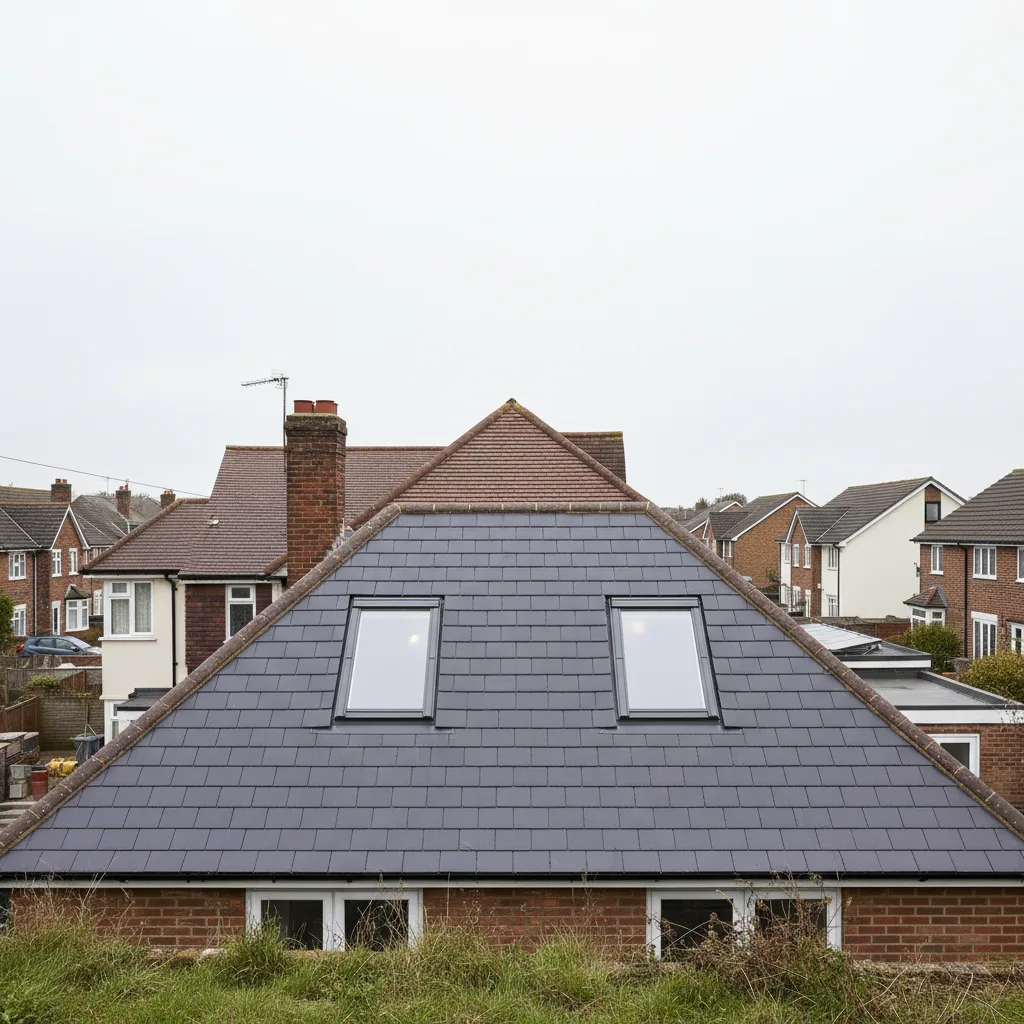
Essex stock is unusually varied for one county, and the covering on the roof decides the method more than any preference does. Victorian brick terraces in the older cores of Chelmsford and Colchester carry plain clay tile or slate at a steep pitch. The interwar and post war commuter suburbs are hipped concrete interlocking tile, deep in profile and needing a kit made for that depth. White weatherboard runs through the Blackwater villages and around Stock. Timber frame and pargeting sit under old, uneven roofs at Thaxted, Coggeshall and Saffron Walden, where the rafters are rarely where a tape measure expects them.

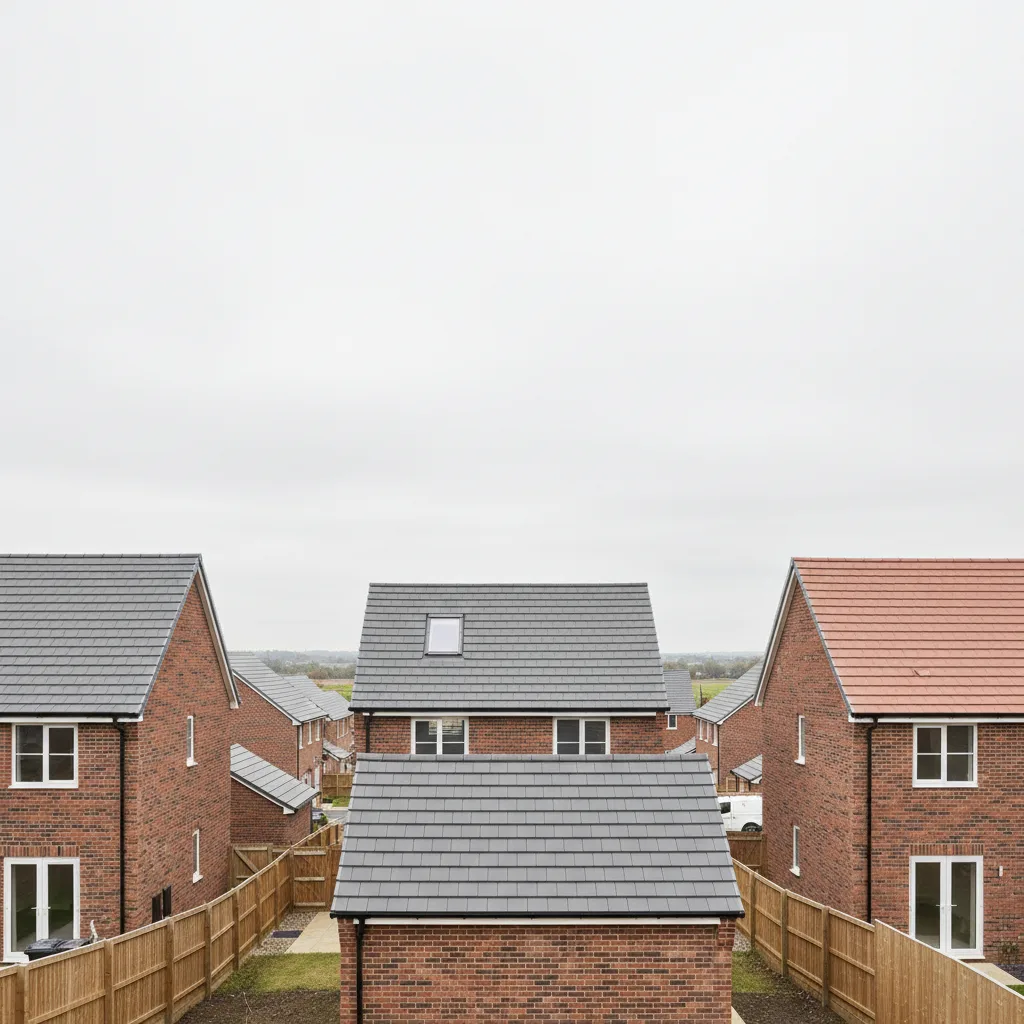
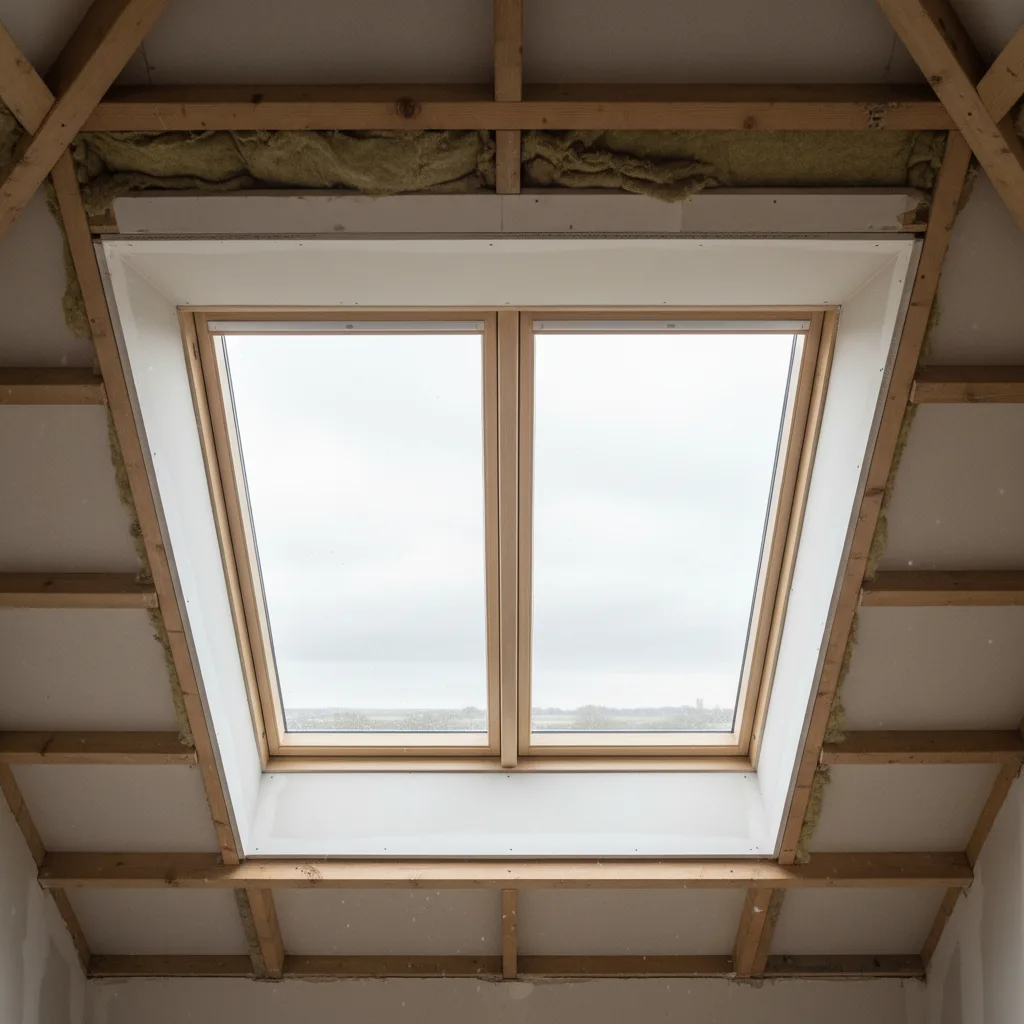
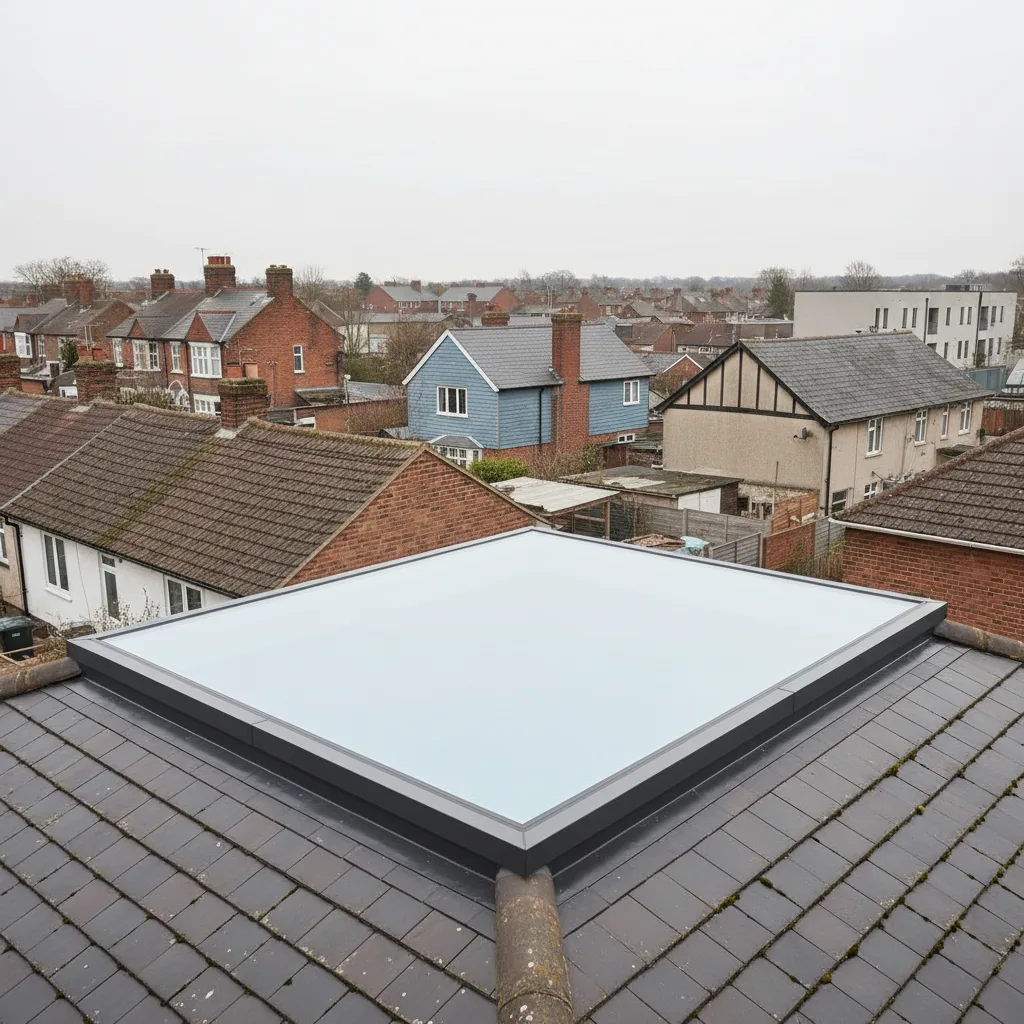
Then there are the planned estates. Great Notley, South Woodham Ferrers, Beaulieu Park and most of Basildon and Harlow are trussed rafter roofs, where the webs are engineered components carrying load and the opening is sized to fit between trusses rather than through them. Harlow and Basildon also carry an enormous quantity of flat roof, and out on Canvey the bungalows sit on reclaimed land with their own settlement history. Each of those conditions changes the detailing, the access and the day rate, which is the whole reason these pages are written town by town.

Picking the page that matches your roof

The nearest town is usually the right page, but if your house has more in common with a village five miles further out, read that one instead. The covering and the pitch are better guides than the postcode. Where a job sits near the outer edge of the thirty miles, it is still worth asking, because the road matters more than the map. The guides cover the technical decisions in depth once you know which roof you are dealing with.

Two houses on the same street can need different flashing kits if one was re-roofed in concrete and the other kept its clay.
Get a quote

Tell us about your roof

We start with the building, the covering and the slope. Then we tell you what will suit it, and what it will cost, as a fixed written number.

  • Surveyed before it is priced
  • 10-year workmanship guarantee
  • Building Control notification handled
  • New installations and replacements
Get a quote Call us